
Cyber Incident Response Retainer
24/7 access to incident response and digital forensics specialists, with guaranteed SLAs and escalation routes agreed in advance, so an incident starts with response instead of procurement.
What is an Incident Response Retainer?
An Incident Response Retainer is a pre-arranged agreement that gives your organization rapid access to specialist Cyber Incident Response support when a serious security incident occurs.
Instead of sourcing a response provider, negotiating contracts and completing procurement while an attack is already underway, the necessary commercial arrangements, escalation routes and response expectations are established in advance.
With a retainer in place, you have 24/7 access to experienced responders who can support incident triage, containment, digital forensics, malware analysis, investigation and recovery.
How Does an Incident Response Retainer Work?
Establish your response arrangements
We work with you to establish contacts, escalation procedures, response requirements and the information responders will need before an incident occurs.
Prepare before an attack
Preparedness activities help responders understand your organization and identify improvements that would make a future response faster and more effective.
Activate the retainer
When a suspected or confirmed cyber incident occurs, you contact us through the agreed escalation route.
Rapid incident response
Experienced responders begin triage and help determine the immediate actions required to contain the threat, preserve evidence, and understand the scope of the incident.
Investigation and recovery
Depending on the incident, support can include digital forensics, malware analysis, containment, threat actor investigation, and recovery guidance.
Post-incident review
Following the engagement, findings and lessons learned help to address underlying weaknesses and strengthen future response readiness.
Benefits of an Incident Response Retainer
-
24/7 access to incident response experts
Round-the-clock access to experienced incident response and digital forensics specialists when an incident needs immediate support.
-
Guaranteed response SLA
Response arrangements agreed in advance mean specialist assistance can be mobilized quickly when an incident occurs.
-
Eliminate procurement delays
Contracts and commercial terms are agreed before an incident, removing potentially costly procurement and onboarding delays during a cyber crisis.
-
Faster containment and investigation
Rapid access to responders helps you assess the incident, contain malicious activity, and begin forensic investigation sooner.
-
Digital forensics and malware analysis
Specialist investigation establishes how attackers gained access, what they did, and which systems, identities or data were affected.
-
Senior stakeholder support
Receive expert guidance to support technical teams and senior decision-makers through a significant cyber incident.
-
Improve incident readiness
Preparedness assessments and recommendations identify gaps in your existing response capability before a real attack occurs.
-
Maximize unused retainer hours
Where eligible, pre-purchased hours you haven't needed can be converted into proactive cybersecurity services, so the retainer continues to deliver value even when emergency response isn't required.
NCSC Assured Service Provider
Integrity360 is endorsed under the Cyber Incident Response (CIR) Scheme Assurance and has undergone assessments aligned with NCSC standards, ensuring our capability to deliver top-tier cyber incident response services.

Be breach-ready before an incident happens
A cyber crisis is the wrong time to decide whom to call, negotiate contracts or establish how external responders will access your environment. An incident response retainer puts those arrangements in place beforehand, removing avoidable delays and giving you a defined route to expert support when an incident occurs.
Preparedness activities can also identify weaknesses in your existing plans and processes, helping your teams respond with greater confidence when the retainer is activated.
Speak to an expert
We'll work through your environment, your response requirements and the escalation routes that fit how your teams operate, then set the arrangements up before you need them.
Dublin: +353 01 293 4027
London: +44 20 3397 3414
Sofia: +359 2 491 0110
Cape Town: +27 08 606 25673
Johannesburg: +27 08 606 25673
Value that holds, incident or not
Where eligible, hours you haven't used can be redirected into other proactive services, so your retainer keeps returning value even in a quiet year. If you're still weighing whether a retainer is right for you, it helps to start with what incident response involves and when you'd need it.
Related services:
Penetration Testing
Compromise Assessments
Red Teaming
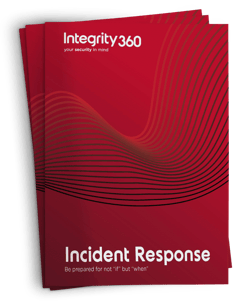
Incident Response Service Brochure
Learn about incident response, why it's important for your business and evaluate how mature your incident response capability is.
FAQs
How does an Incident Response retainer work?
Before an incident occurs, the organization and Incident Response provider agree on the service scope, escalation routes, response expectations and commercial terms. If a cyber incident occurs, the retainer can then be activated through the agreed process, giving the organization access to specialists who can support triage, containment, investigation, digital forensics and recovery.
Why do organizations need an Incident Response retainer?
A retainer helps organizations avoid losing critical time during a cyber attack to procurement, contracting and provider selection. It also gives internal teams a clear escalation route and greater certainty that specialist Incident Response support will be available when it is needed.
What is included in an Incident Response retainer?
The exact scope depends on the agreed service, but an Incident Response retainer may include 24/7 access to responders, guaranteed response SLAs, initial triage, containment support, digital forensics, malware analysis, incident investigation, recovery guidance, post-incident reporting and preparedness recommendations.
How quickly can a retained Incident Response team respond?
Response times depend on the terms of the retainer and the nature of the incident. A key benefit of a retained service is that response expectations and SLAs are agreed upon before an incident occurs, helping specialists quickly mobilize when support is required.
What cyber incidents are covered by an Incident Response retainer?
A retainer can support a wide range of incidents, including ransomware, data breaches, Business Email Compromise, malware, compromised identities, cloud compromise, network intrusions and suspected unauthorised access. The exact scope should be defined within the service agreement.
Can we use an Incident Response retainer for ransomware?
Yes. An Incident Response retainer can provide rapid access to specialists during a ransomware attack. Support can include containment, forensic investigation, assessment of attacker activity and potential data exfiltration, malware analysis and guidance on the safe recovery of affected systems.
Can we activate the retainer if we only suspect a compromise?
Yes. You do not necessarily need confirmed evidence of a breach before seeking Incident Response support. Suspicious logins, unusual network activity, unexpected account behaviour or unexplained security alerts may justify investigation to determine whether malicious activity has occurred and whether an attacker remains present.
What happens to unused Incident Response retainer hours?
Depending on the retainer terms, unused Integrity360 hours may be eligible for conversion into selected proactive cybersecurity services. This helps organizations continue to gain value from the retainer even when emergency Incident Response has not been required.
Can unused retainer hours be used for other cybersecurity services?
Where permitted under the agreed retainer terms, unused hours may be redirected towards eligible proactive Integrity360 services. This can help organizations strengthen security and preparedness rather than allowing unused capacity to expire without value.
What is the difference between an Incident Response retainer and Emergency Incident Response?
An Incident Response retainer is arranged before an incident occurs, with contacts, service levels and commercial terms agreed in advance. Emergency Incident Response is typically requested after an organization discovers or suspects an incident without pre-existing retained arrangements. Both provide specialist support, but a retainer can reduce mobilization and administrative delays.
Does an Incident Response retainer help with cyber insurance requirements?
An Incident Response retainer can support wider cyber insurance readiness by ensuring a defined response provider, escalation route and Incident Response process are already in place. However, insurance requirements vary between policies and insurers, so organizations should confirm any specific obligations directly with their insurance provider or broker.
What should you look for in an Incident Response retainer provider?
Look for a provider with proven Incident Response and digital forensics capabilities, 24/7 availability, clearly defined response SLAs, experience handling complex cyber incidents and the ability to support both investigation and recovery. Independent assurance, sector experience and preparedness services can provide additional confidence in the provider's capabilities.