

 Under Attack?
Digital Forensics Services
Understand what happened, how it happened and what was affected.
Integrity360's Digital Forensics services help organisations investigate cyber incidents, suspected compromise and security breaches by identifying, preserving and analysing digital evidence.
Our specialists examine endpoints, servers, identities, email, networks and cloud environments to reconstruct activity, determine the scope of compromise and provide clear findings to support containment, recovery and wider investigations.
What is Digital Forensics
Digital Forensics is the process of identifying, collecting, preserving and analysing digital evidence to understand cyber incidents, security breaches and suspicious activity.
Forensic analysis can help determine how an attacker gained access, when malicious activity began, which systems or accounts were affected, what actions were performed and whether sensitive information may have been accessed, altered or stolen.
Integrity360's Digital Forensics specialists analyse evidence from endpoints, servers, identities, email, networks and cloud environments to reconstruct events and provide findings that can support Incident Response, remediation and wider investigations.
NCSC Assured Service Provider
Integrity360 is assured under the Cyber Incident Response (CIR) Scheme Assurance and has undergone assessments aligned with NCSC standards, ensuring our capability to deliver top-tier cyber incident response services.

When do organisations need Digital Forensics?
-
Ransomware Attacks
Investigate how attackers gained access, how they moved through the environment, which systems were affected and whether information may have been stolen before encryption.
-
Data Breaches
Determine how unauthorised access occurred and what sensitive or regulated information may have been accessed, altered or exfiltrated.
-
Business Email Compromise
Analyse compromised identities, authentication activity, email behaviour and mailbox configurations to understand how an attacker gained access and what they did.
-
Malware and Endpoint Compromise
Investigate malicious files, suspicious processes and system activity to establish the nature and extent of compromise.
-
Insider Threats
Examine digital evidence relating to suspected unauthorised, malicious or inappropriate activity involving employees, contractors or other trusted users.
-
Cloud and Identity Compromise
Investigate suspicious activity across cloud platforms, SaaS services and user identities.
Benefits of Digital Forensics
-
Establish the root cause
Understand how an incident began and identify the events, vulnerabilities or compromised identities that enabled it.
-
Determine the full scope
Establish which systems, users and data were affected rather than relying only on the first visible signs of compromise.
-
Reconstruct attacker activity
Build a clear timeline showing what happened before, during and after the incident.
-
Preserve digital evidence
Identify and preserve relevant evidence so that important information is not unnecessarily lost or altered during the investigation.
-
Support containment and recovery
Use forensic findings to identify attacker access, persistence and compromised systems so that remediation decisions are based on evidence.
-
Investigate insider activity
Analyse user and system activity where malicious, unauthorised or inappropriate behaviour is suspected.
-
Support wider investigations
Provide factual forensic findings that can support internal stakeholders and engagement with legal advisers, insurers, regulators or law enforcement where appropriate.
Speak to an expert
 Call us
London: +44 20 3397 3414
Sofia: +359 2 491 0110
Cape Town: +27 21 812 5400
Johannesburg: +27 21 812 5400
 Email us
Our Incident Response services
Incident Response Preparedness
Emergency Incident Response
Compromise Assessment
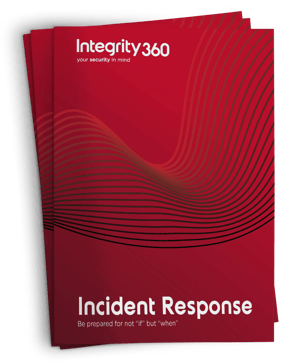
Incident Response eBook
Learn about incident response, why it's important for your business and evaluate how mature your incident response capability is.
Digital Forensics FAQs
When is Digital Forensics needed?
Digital Forensics may be required whenever an organisation needs to establish what happened within its technology environment. Common scenarios include ransomware, data breaches, Business Email Compromise, malware infections, compromised accounts, insider threats, cloud compromise and suspected unauthorised access.
What does a Digital Forensics investigation involve?
A Digital Forensics investigation typically begins by identifying and preserving relevant evidence. Specialists then analyse systems, logs, accounts and other digital artefacts to reconstruct events, determine the scope of the incident and establish what activity occurred. The findings can then support Incident Response, remediation and wider internal, legal or regulatory investigations.
What types of digital evidence can be analysed?
Depending on the investigation, evidence may include endpoints, servers, security logs, authentication records, email activity, cloud environments, network data, suspicious files and user activity. Investigators correlate evidence from relevant sources to build a clearer picture of what happened and when.
What can Digital Forensics reveal after a cyber attack?
Digital Forensics can help determine how an attacker gained access, when the compromise began, which accounts and systems were affected, how the attacker moved through the environment and whether persistence mechanisms were established. It can also help assess whether sensitive information may have been accessed or stolen.
What is the difference between Digital Forensics and Incident Response?
Digital Forensics focuses on collecting and analysing evidence to understand what happened during a cyber incident. Incident Response focuses on containing the threat, removing malicious access and supporting recovery. During a significant cyber attack, the two disciplines usually work together, with forensic findings informing containment and remediation decisions.
What does DFIR mean?
DFIR stands for Digital Forensics and Incident Response. It combines forensic investigation with the technical response required to contain, eradicate and recover from cyber attacks. DFIR teams help organisations both understand an incident and take the actions required to limit its impact.
How long does a Digital Forensics investigation take?
The length of an investigation depends on the complexity and scope of the incident. A limited investigation involving a small number of systems may be completed relatively quickly, while incidents involving multiple systems, cloud environments, prolonged attacker activity or large volumes of evidence can take considerably longer.
Can Digital Forensics determine whether data was stolen?
Digital Forensics can identify evidence that information was accessed, copied, transferred or exfiltrated. However, it may not always be possible to prove conclusively whether every piece of data was taken. Investigators analyse available logs, system activity, network evidence and attacker behaviour to determine the likelihood and potential extent of data theft.
Can Digital Forensics identify how an attacker gained access?
Yes. One of the main objectives of a cyber forensic investigation is to establish the initial access vector where sufficient evidence is available. This may involve compromised credentials, phishing, exploited vulnerabilities, malicious applications, remote access services or other attack techniques.
Can Digital Forensics recover deleted files?
In some circumstances, Digital Forensics can identify or recover deleted data, depending on the device, storage technology, actions taken since deletion and whether the underlying information has been overwritten. Even when a complete file cannot be recovered, forensic artefacts may still provide evidence that it previously existed or was accessed.
Can Digital Forensics investigate insider threats?
Yes. Digital Forensics can support investigations into suspected malicious, unauthorised or inappropriate activity involving employees, contractors or other trusted users. Analysis may help establish which systems or information were accessed, what actions were taken and when the activity occurred.
What evidence should be preserved after a cyber attack?
Relevant evidence can include security and system logs, authentication records, suspicious files, emails, endpoint data, network activity and details of affected accounts. Organisations should avoid unnecessarily deleting files, clearing logs or making extensive changes to potentially compromised systems before forensic evidence has been preserved.
Should I shut down a compromised device before forensic analysis?
Not automatically. Shutting down a device can remove volatile information that may be valuable to investigators, although leaving a compromised system connected can also create additional risk. The appropriate action depends on the circumstances. Where possible, seek Incident Response or Digital Forensics guidance before taking unnecessary action.
Can Digital Forensics support a data breach investigation?
Yes. Digital Forensics can help establish how unauthorised access occurred, which systems and identities were affected and what information may have been accessed or disclosed. These findings can help organisations understand the scope of a breach and support engagement with legal advisers, regulators and other relevant stakeholders.
Can Digital Forensics be used in ransomware investigations?
Yes. Digital Forensics can help determine how ransomware attackers gained access, how long they were present, which credentials or systems were compromised and how they moved through the environment. It can also help establish whether data may have been exfiltrated before ransomware was deployed.
What is chain of custody in Digital Forensics?
Chain of custody is the documented record of how digital evidence has been collected, handled, transferred and stored during an investigation. Maintaining an appropriate chain of custody helps demonstrate the integrity of evidence and provides a clear record of who had access to it throughout the investigative process.
Can Digital Forensics support legal or regulatory investigations?
Yes. Digital Forensics can provide factual evidence and documented findings that support internal investigations and engagement with legal advisers, insurers, regulators or law enforcement. The investigation can help establish what happened, what information may have been affected and what evidence exists to support subsequent decisions.